Understanding Your Child's Developmental Milestones
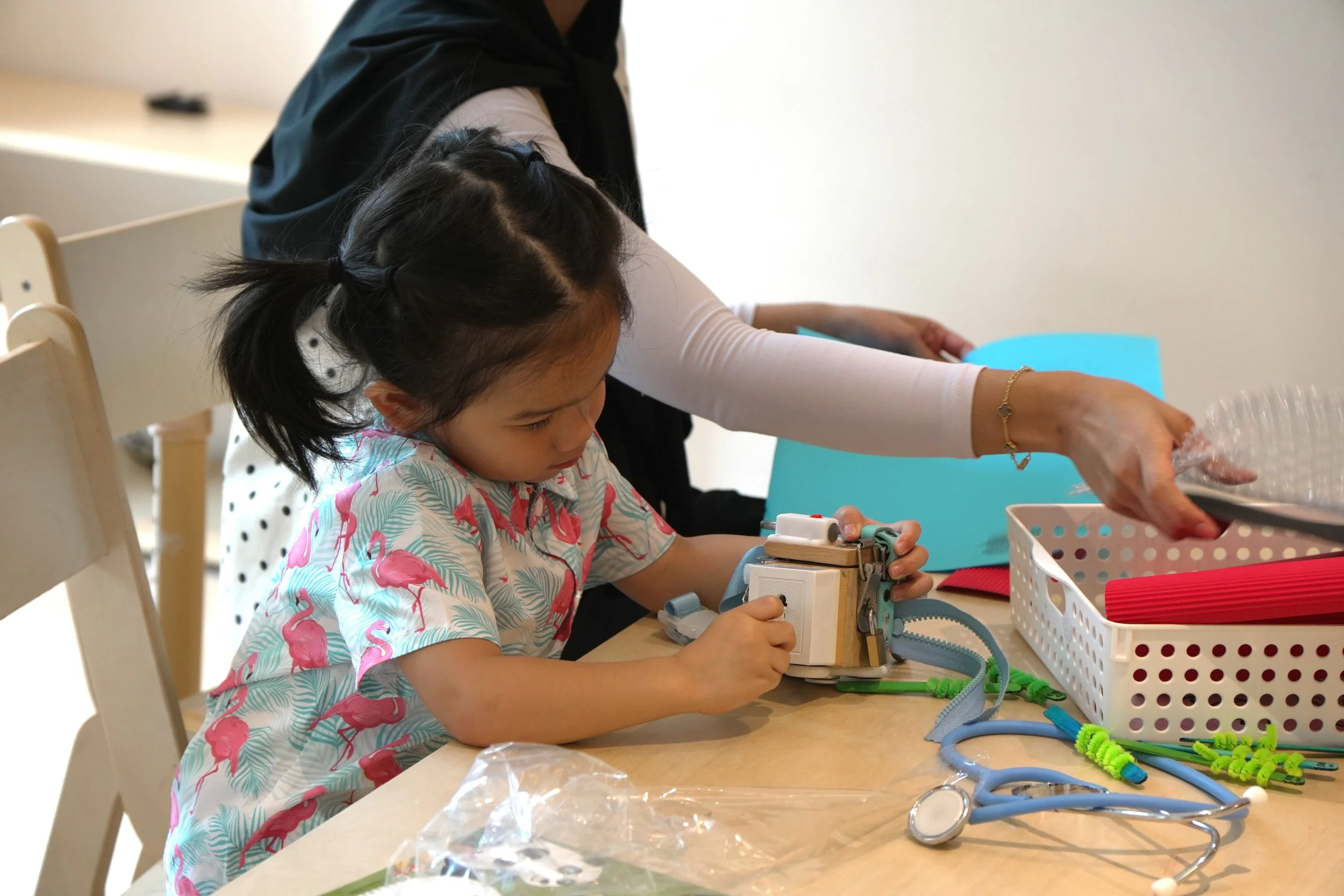
Watching your child grow and learn is one of the most rewarding aspects of being a parent. Each new skill or behaviour they display is a sign of their ongoing development. Understanding developmental milestones can help you keep track of your child's progress and alert you to any potential concerns that may need professional attention. Here's a guide to some of the key milestones for children from birth to age 5.
Birth to One Year: What “firsts” should parents look out for from birth to one year?
0-3 Months
Social and Emotional: Begins to smile at people, can briefly calm themselves.
Language/Communication: Coos, makes gurgling sounds, turns head towards sounds.
Cognitive: Pays attention to faces, begins to follow things with eyes.
Physical: Can hold head up and begins to push up when lying on tummy.
4-6 Months
Social and Emotional: Smiles spontaneously, enjoys playing with people.
Language/Communication: Babbles with expression, copies sounds.
Cognitive: Shows curiosity about things, tries to reach for objects.
Physical: Rolls over in both directions, begins to sit without support.
7-9 Months
Social and Emotional: Has favourite toys, may be afraid of strangers.
Language/Communication: Understands "no," makes a lot of different sounds.
Cognitive: Watches the path of something as it falls, looks for hidden objects.
Physical: Stands, holding on, can get into sitting position.
10-12 Months
Social and Emotional: Is shy or nervous with strangers, cries when mom or dad leaves.
Language/Communication: Says “mama” and “dada” and exclamations like “uh-oh!”
Cognitive: Explores things in different ways, finds hidden objects easily.
Physical: Can sit without support, pulls to stand, walks holding on to furniture.
How do toddlers start exploring and learning from one to two years?
1-2 Years
Social and Emotional: Copies others, especially adults and older children.
Language/Communication: Points to objects when named, says several single words.
Cognitive: Follows simple instructions, begins to use things correctly.
Physical: Walks alone, can help undress themselves, starts to run.
What are the early signs of a child’s independence between two to three years?
2-3 Years
Social and Emotional: Shows defiant behaviour, plays mainly beside other children.
Language/Communication: Speaks in two to three-word sentences, says first name.
Cognitive: Can work toys with buttons, levers, and moving parts, plays make-believe.
Physical: Climbs well, runs easily, can work door handles.
What social developments do children experience at age three to four years?
3-4 Years
Social and Emotional: Enjoys new toys, increasingly inventive in play.
Language/Communication: Can say name and age, speaks in sentences.
Cognitive: Can count, understands the concept of "same" and "different."
Physical: Hops and stands on one foot, can catch a bounced ball.
How can parents know if their four to five year old is ready for school?
4-5 Years
Social and Emotional: Likes to sing, dance, and act, more eager to please friends.
Language/Communication: Tells a simple story using full sentences, uses future tense.
Cognitive: Can draw a person with 2 to 4 body parts, understands time concepts.
Physical: Stands on one foot for 10 seconds or longer, can print some letters.
Remember that children develop at their own pace, and the age ranges mentioned are averages, not strict deadlines. However, if you have concerns about your child’s development, it’s important to consult with a healthcare professional.
At altSchool International in River Valley Singapore, we believe in nurturing each child's unique pathway to growth. Guided by the Singapore Ministry of Education's framework and the AEPS-3 system, our early intervention programmes are designed to support children in reaching these milestones, providing them with a specialised curriculum with the environment and tools they need to flourish. Contact us or more information on how we can assist your child’s development.