
How we do early intervention
At altSchool, early intervention isn’t a fixed programme. It’s a responsive approach tailored to each child’s unique needs. Our work blends learning and therapy into one consistent daily experience, guided by a transdisciplinary team and rooted in evidence-based practices.
Personlised IEPs: Each child at altSchool follows an Individualised Education Plan (IEP) designed by their educators and therapists. These plans are built around the child’s strengths, goals, and current developmental profile and not a fixed curriculum.
Small group support: With an average ratio of 1:4 children, we’re able to provide consistent, individualised support across sessions.
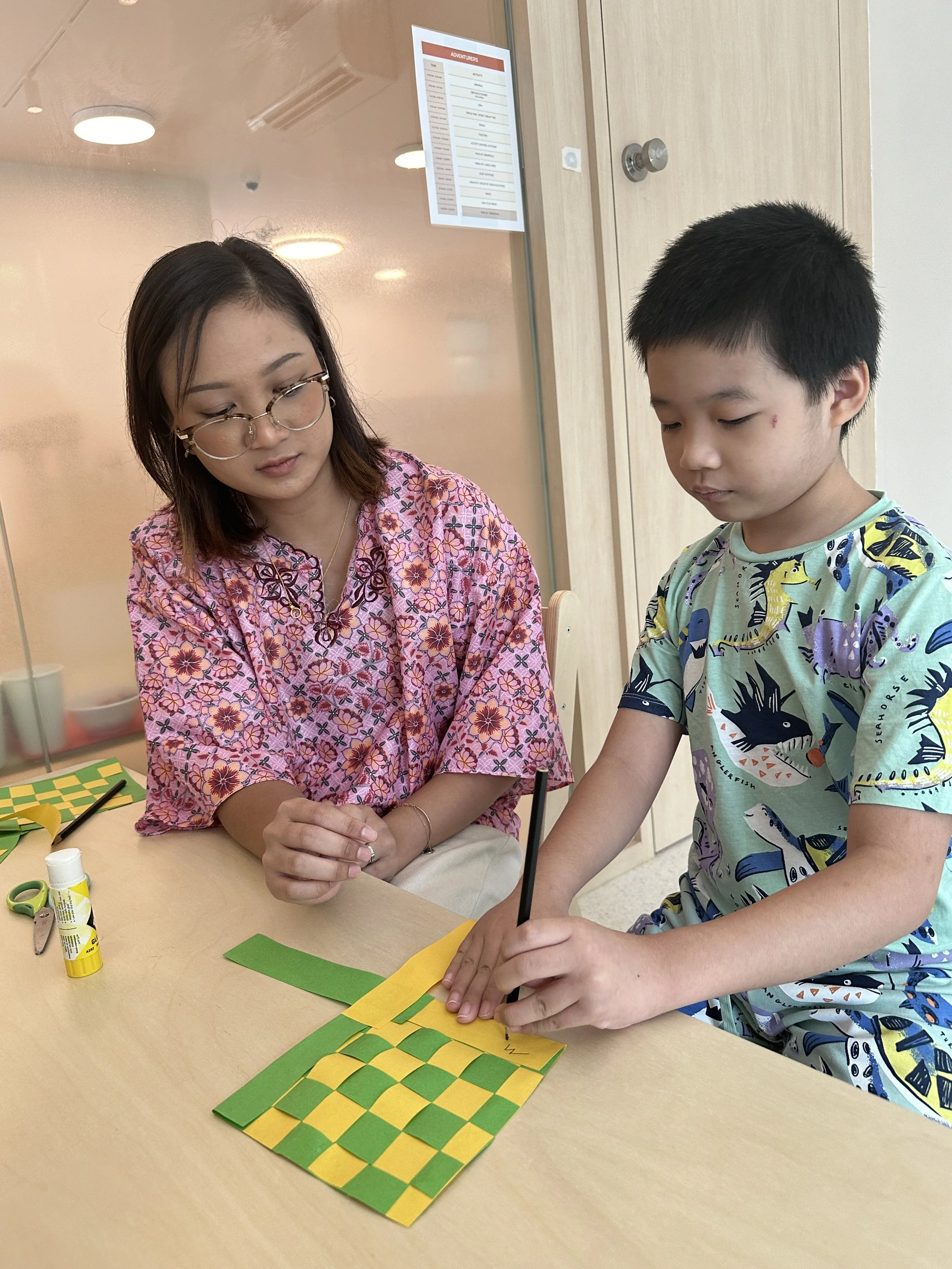
Multisensory, theme-based learning: Each month, our team introduces a new theme to guide activities and spark curiosity. The environment is transformed with hands-on experiences like role play, crafts, and movement games, always grounded in play-based, multisensory learning that supports communication, social interaction, and concept development.
Family partnership: We keep families in the loop with daily updates, weekly IEP progress notes, and regular discussions around goals. Parents are our partners in the journey and we value their insights and involvement.
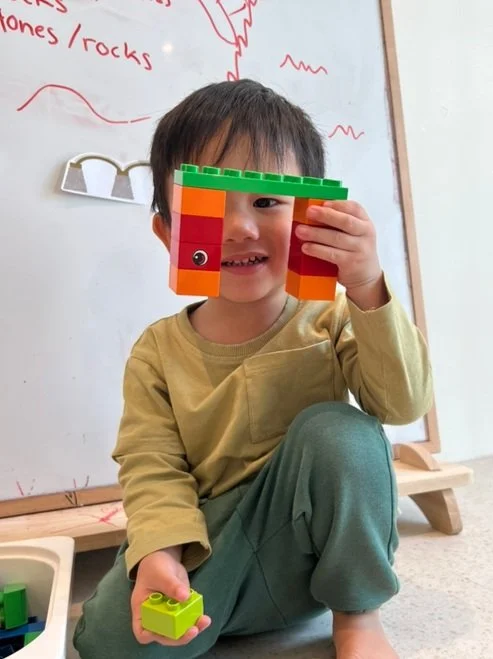
Play-based with individualised support: We use play as a primary mode of learning, combining structured group activities with opportunities for child-led exploration. Our team integrates naturalistic, play-based strategies to support communication, regulation, and learning in ways that feel engaging and meaningful for each child.
Collaborative Team Approach: Educators and therapists work side by side, sharing knowledge and aligning strategies. This real-time collaboration allows us to integrate learning goals across both group and individual sessions.
Montessori-Inspired practice: We draw on Montessori principles to encourage independence, choice-making, and hands-on exploration. Children are supported in working at their own pace, with guidance from our team to develop confidence, focus, and practical skills through real experiences.
Sensory regulation and support: Sensory regulation is woven into each child’s day, through movement, gym play, outdoor activities, and quiet rest. Our team actively supports children in developing their own regulation strategies, helping them build the awareness and skills they’ll need for success in more structured learning environments.
Consistent progress: Our 5-day-a-week programme gives children the structure they need to build skills over time. Whether attending full or half day, children benefit from consistent routines that support learning, regulation, and school readiness.




Who is it for
Our early intervention programme is designed for preschool-aged children (between 3 to 7 years old) who require additional support in various areas of development.
We welcome children with developmental differences, including:
Autism
ADHD
Speech and language delays
Fine and gross motor delays
Social anxiety and selective mutism
Learning disabilities
Sensory processing differences
…and more!
How we do our assessments?
We utilise the AEPS-3 (Assessment, Evaluation, and Programming System) to conduct comprehensive assessments for each of our students. The AEPS-3 is a highly regarded tool designed to assess developmental skills across multiple domains, including communication, gross and fine motor skills, social-emotional development, and adaptive behaviour.
Comprehensive assessment process: The AEPS-3 allows us to thoroughly evaluate various aspects of a child's development. From communication skills to motor skills and social-emotional development, we gather comprehensive data to understand each child's strengths and areas for growth.
Evidence-based approach: The AEPS-3 is a research-backed tool that provides reliable and valid assessments of developmental skills. By utilising this evidence-based approach, we ensure that our assessment process is thorough and accurate, enabling us to make informed decisions about intervention strategies.
Informed decision-making: The data obtained from the assessments inform our decision-making process, guiding us in developing individualised education plans (IEPs) and setting goals for each child. This systematic approach allows us to track progress over time and adjust interventions as needed.
Continuous monitoring and evaluation: The AEPS-3 assessments are not a one-time event but part of an ongoing process of monitoring and evaluation. We regularly review and update the child's progress based on new assessments, ensuring that interventions remain relevant and effective over time.
To learn more about the AEPS-3 and how it informs our approach to early intervention, visit their website here.


What curriculum do we follow?

We combine Experience Curriculum, a research-informed early learning framework, with each child’s Individualised Education Plan (IEP) to create a personalised, developmentally appropriate programme.
Experience Curriculum provides monthly themes, hands-on activities, and foundational learning goals, which our team adapts to suit the needs of our group and individual learners. This includes tailoring language, motor, social, and cognitive experiences to match a child's strengths and IEP targets.
Our team integrates this curriculum with therapeutic strategies and child-led exploration, ensuring every child can access learning in a way that works for them, whether through visuals, movement, sensory play, or structured group activities.
To learn more about the Experience Curriculum, visit their website here.